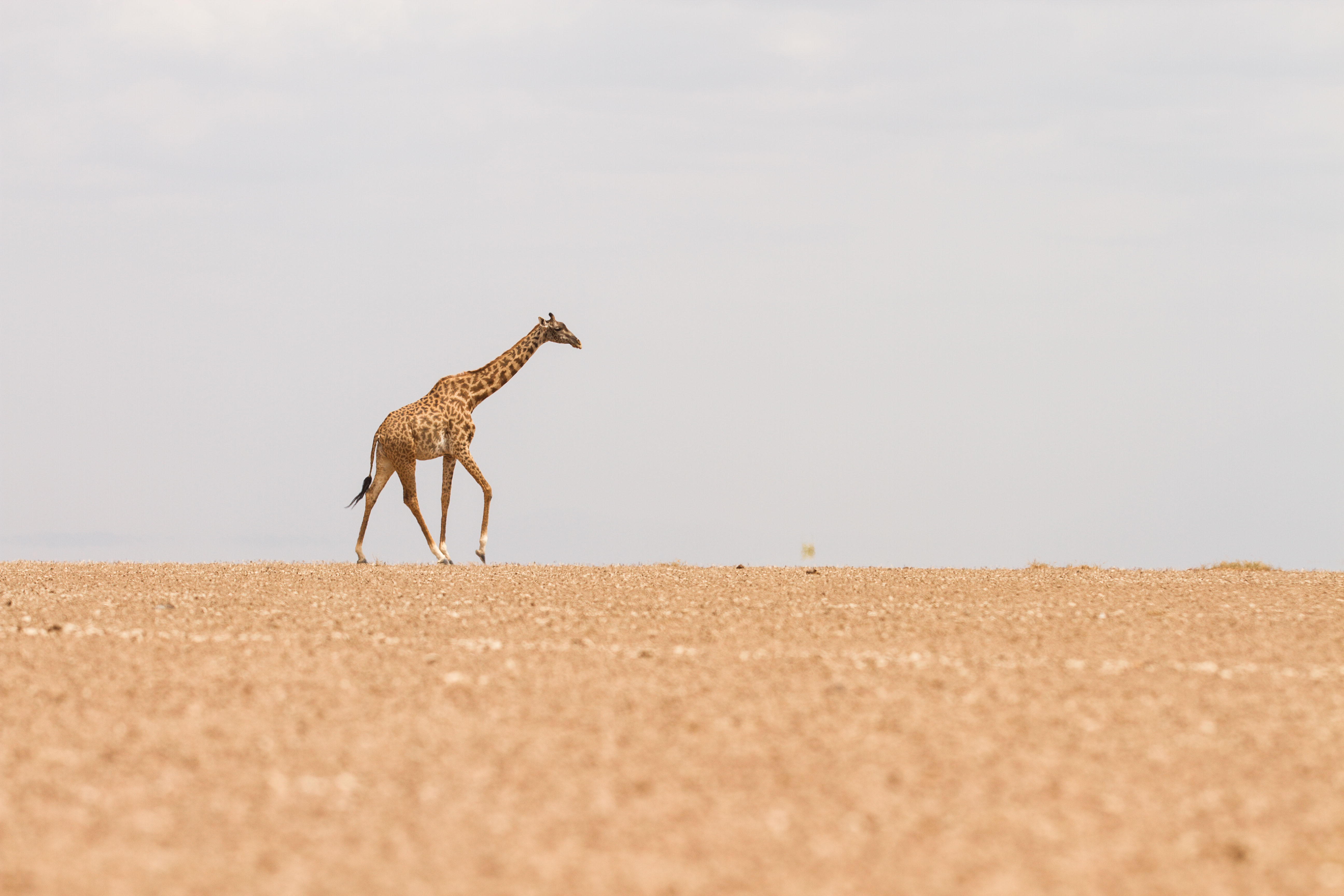
A Rough Guide to Amboseli National Park
Everything we've learned about visiting the ecosystem — fees, seasons, logistics and etiquette — kept as current as we can.
Amboseli - How To Get There
By Road:
The main road into the park is from Nairobi via Namanga (240 km) on the Nairobi - Arusha Road, through Meshanani Gate. The other road is from Nairobi via Emali (228 km) on the Nairobi - Mombasa Road. Access from Mombasa is mainly through Tsavo West National Park via Kimana (Olkelunyiet) Gate.
By Air:
Airstrips: The Park has a single airstrip for light aircrafts. Other airstrips exist at Kilimanjaro Buffalo Lodge and Namanga town.
Amboseli - Attractions
- · Large Herds of Elephants
- · Mt. Kilimanjaro
- · Big Five
- ·Observation Hill which allows an overall view of the whole park especially the swamps and Elephants,
- · Swamp below observation hill hosts many elephants, buffaloes, hippos and a variety of water fowls like pelican, Egyptian goose
- · Contemporary Maasai culture and indigenous lifestyle
Kenya - Vaccinations
Vaccination Requirements for Kenya
Most international travellers do not need any compulsory vaccinations to enter Kenya unless they are arriving from, or have transited through, a Yellow Fever risk country.
In that case, a valid Yellow Fever vaccination certificate is required. Kenya no longer requires proof of COVID-19 vaccination or a pre-departure COVID-19 test for routine entry.
For safari travel, guests should still consult a doctor or travel clinic well before departure for personal advice on recommended vaccinations, malaria prevention and general travel health.
Best Time to Visit Amboseli
Best Time to Visit
January and February are good months to visit Amboseli, as well as June through September. Avoid April and May, which are the rainy season. There may also be some rain from November to December, which may make the roads in Amboseli impassable.
Temperatures year round are 27-31°C (81-88°F) in the day and 22-24°C (72-75°F) at night. For Kenya birdwatchers, the best months to see migratory birds are October to January. The best times for viewing are early and late in the day, as animals tend to sleep in the hot midday sun.
VISA Entry To Kenya
Kenya no longer issues traditional tourist visas for most international visitors. Instead, travellers are required to apply online for an Electronic Travel Authorisation (eTA) before travelling to Kenya.
The eTA should be completed before departure and applies to most visitors, including children and infants. Travellers will usually need a passport valid for at least six months, with at least one blank page, as well as travel dates, accommodation details, a passport-style photo or selfie, contact details and a payment method.
We recommend applying well in advance of your safari and checking the official Kenya eTA website before you travel, as entry requirements can change.
Amboseli - Park Fee
Citizen ksh
· Adult - 860
· Chilren/students- 215
Residents ksh
· Adult - 1,030
· Children/students - 515
Non residents US$
· Adult - $60
· Children/students - $35
VEHICLE FEES PER DAY Ksh
• Less than 6 seats 300
• 6 - 12 seats 1,030
• 13 - 24 seats 2,585
• 25 - 44 seats 4,050
• 45 seats and above 5,000
AIRCRAFTS (Single landing Fees) Ksh
• Aircrafts with less than 3 seats 300
• 3 - 6 seats 500
• 7 - 14 seats 1,000
• 15 - 20 seats 2,155
• 21 seats and above 3,015
TRUCKS AND DELIVERY VEHICLES PER DAYKsh
· 1 - 3 Tonnes 515
· 4 - 7 Tonnes 2,155
· 7 Tonnes 3,015
VEHICLES STATIONED IN THE PARK PER YEAR Ksh
• PSV’s - 6 Seats & Commercial vehicle < 2 tons 10,000
• PSV’s - 13 Seats & Commercial vehicle > 5 tons 100,000
• PSV’s 6 - 12 Seats & Commercial vehicle 2 - 5 tons 10,000
• PSV’s 6 - 13 Seats & Commercial tour vehicle (not stationed in the park) 60,000
USEFUL POINTERS
DAILY FEE
Single entry fee is valid for 24 hrs
STUDENT
Is herein defined as an individual from a recognized secondary, government or private college university aged up to 23 years old visiting the Parks for purposes of learning about conservation through a documented and organized arrangement with that institution and excludes students on personally arranged holidays. KWS will require a minimum of two weeks’ notice in order to issue written authorization for student rates.
CHILDREN
Refers to persons from 3 years but below 18 years.
CORPORATE PASS
May be issued to eligible utility providers having installations within KWS managed Parks/Reserves.
CITIZENS
Refers to Kenya Citizens with valid National ID/Passports and Uganda, Tanzania, Rwanda and Burundi citizens with valid Passports.
RESIDENTS: Refers to persons of other nationalities residing in Kenya with valid documentation from the Kenyan government.
MODE OF PAYMENT
• Mpesa
• Visa Card
• Direct deposits to KWS bank accounts
• Electronic Funds Transfer (EFT)
Weather - Amboseli (ave. past 20yrs)
Average Weather
Amboseli has a warm, dry and generally sunny climate for most of the year. The area is semi-arid, with hot daytime temperatures, cooler mornings and evenings, and two distinct rainy seasons. Its weather creates the park’s famous contrast between dusty plains, green wetlands and snow-capped Mount Kilimanjaro.
General weather summary – Amboseli has two main rainy seasons:
Long rains: March to May
This is the wettest period of the year, with April usually receiving the most rain. The plains become green, birdlife is excellent and the skies can be wonderfully dramatic for photography. However, some roads may become muddy or temporarily difficult.
Short rains: November to December
The short rains usually arrive as brief, heavy showers, often followed by sunshine. The landscape becomes greener, migratory birds return and visitor numbers are generally lower than during the main dry season.
Dry seasons: June to October and January to February
These are usually the best periods for traditional safari conditions. Vegetation becomes thinner and wildlife gathers around Amboseli’s permanent swamps and water sources, making animals easier to find. June to October is cooler and very dry, while January and February are generally hotter and dustier.
Temperatures
Average temperatures are approximately 28°C during the day and 15°C at night, although January and February can be considerably hotter. Early mornings can feel surprisingly cool, particularly on open safari vehicles, so guests should bring a fleece or light jacket.
Best overall safari weather
For dry weather and excellent wildlife viewing, June to October is generally the most popular period. January and February are also good, although temperatures can be hotter. For green scenery, dramatic skies, birdwatching and fewer visitors, November to December and March to May can be very rewarding.
In simple terms: Amboseli is a year-round safari destination. The dry months offer concentrated wildlife and classic dusty landscapes, while the rainy seasons bring greener scenery, abundant birdlife and striking photographic conditions. Mount Kilimanjaro is often clearest during the early morning, before clouds build around the summit.
Kenyan safaris for families
Is Kenya Good for Family Safaris?
Kenya is one of Africa’s best destinations for a family safari, especially for children who love animals, nature and adventure. Wildlife is often easy to see, travelling between destinations can be straightforward, and there is a wide choice of family-friendly lodges, private houses and tented camps.
A family safari is not quite the same as a beach holiday or resort-style break. It works best for families who are comfortable with early mornings, game drives, open spaces and some travelling between destinations. With the right itinerary, however, the pace can be kept relaxed and the safari can be designed around the children’s ages and interests.
For younger children, we normally recommend properties with flexible mealtimes, shorter game drives, family rooms, a swimming pool and guides who enjoy working with children. A private safari vehicle is particularly valuable because your family can choose when to leave, how long to stay at a sighting and when to return to camp.
For older children and teenagers, Kenya can be unforgettable. Seeing lions, elephants, giraffes and cheetahs in the wild is only part of the experience. Walking, tracking, meeting local communities, sleeping in a tented camp and spending evenings around the fire can make the safari both exciting and educational.
Family Safari Activities in Kenya
Activities vary between national parks, private conservancies and individual properties, but may include:
- Daytime game drives in search of elephants, lions, cheetahs, leopards, giraffes, rhinos and other wildlife.
- The Great Migration in the Maasai Mara, including the possibility of seeing dramatic river crossings during the season.
- Guided nature walks and tracking experiences, depending on the children’s ages and the property’s safety policies.
- Junior ranger programmes, animal-spoor identification and other nature-based activities.
- Night drives in private conservancies, offering the chance to see nocturnal animals.
- Visits to Maasai, Samburu and other local communities, arranged respectfully through your camp or guide.
- Hot-air balloon safaris in selected destinations, usually followed by breakfast in the bush.
- Bush breakfasts, picnic lunches and family sundowners in scenic locations.
- Birdwatching, photography and learning about Kenya’s different habitats.
- Camel rides, horse riding, cycling or fishing at selected lodges and conservancies.
- Visits to wildlife conservation projects, where available.
Where to Go on a Family Safari
The Maasai Mara is an excellent choice for a first family safari because of its abundant wildlife and open landscapes. Private conservancies around the Reserve can be particularly suitable for families, offering fewer vehicles and a wider range of activities.
Amboseli is famous for its elephants and views of Mount Kilimanjaro. Its open terrain can make wildlife easier for children to see, and it combines well with Nairobi and the Kenyan coast.
Laikipia and Northern Kenya offer a more varied and adventurous experience. Depending on where you stay, families may enjoy game drives, guided walks, camel rides, conservation activities and time with local communities.
Kenya’s coast is an excellent way to finish a family safari. After several days of early mornings and game drives, families can relax on the beach and enjoy swimming, snorkelling, dhow trips, fishing and other water-based activities.
Things to Consider When Planning
Age of the children: Some smaller camps have minimum-age restrictions, particularly for walking safaris, night drives and shared game vehicles.
Where to stay: Look for family rooms, private houses, flexible mealtimes, swimming pools and guides experienced with children.
Private vehicle: This is one of the best investments for a family safari because it allows you to travel entirely at your own pace.
Length of stay: Three nights in each safari area is usually a good minimum. Changing camps too frequently can make the holiday feel rushed and tiring.
Flying or driving: Flying is normally easier for families with younger children. Driving can offer more flexibility and scenery, but some journeys are long and roads can be rough.
Safari and beach balance: A good family itinerary might include three or four nights on safari, followed by several nights on the Kenyan coast. Longer holidays can combine two contrasting safari areas before finishing at the beach.
In simple terms, Kenya is an outstanding family safari destination—as long as the itinerary matches the children’s ages, the accommodation is carefully selected and the pace is kept comfortable. For many families, it becomes much more than a holiday: it is an adventure they remember for the rest of their lives.
Frequently Asked Questions
The most common questions from first-time and returning Amboseli National Park visitors — answered honestly.
Do I need a visa to visit Kenya?
Most visitors need an electronic Travel Authorisation (eTA) rather than a traditional visa. Apply online at etakenya.go.ke before you travel. Content to be confirmed with current Kenyan immigration policy.
Can I pay in USD or do I need Kenyan Shillings?
US Dollars are widely accepted at camps and lodges, though small purchases, markets, and tips are often easier in Kenyan Shillings (KES).
What vaccinations do I need?
How much should I tip?
What dietary requirements can be catered for?
What is the difference between a camp and a lodge?
Can animals enter my tent at night?
Is travel insurance compulsory?
While not always a legal requirement, comprehensive travel insurance covering medical treatment and air evacuation (e.g. AMREF Flying Doctors) is strongly recommended for any trip.